BMI and Your Health: How Are They Connected?
a case for direct primary care
Women's age and fertility
A woman is born with all the eggs she is going to have in her lifetime. Her eggs age with her, decreasing in quality and quantity. Age is the single most important factor affecting a woman 's fertility. While good health improves the chance of getting pregnant and having a healthy baby, it doesn…
The role of diisopropyl fluorophosphate (DFP) in neurotoxicity continues to captivate scientific inquiry. This organophosphorus compound, initially developed as a pesticide and chemical warfare agent, has profound implications in both toxicology and therapeutic contexts. Recent research seeks to unravel its complex effects on human physiology, particularly in relation to neurological health and disease states. Understanding…
Heart Disease Tied to Increased Risk for Advanced Breast Cancer
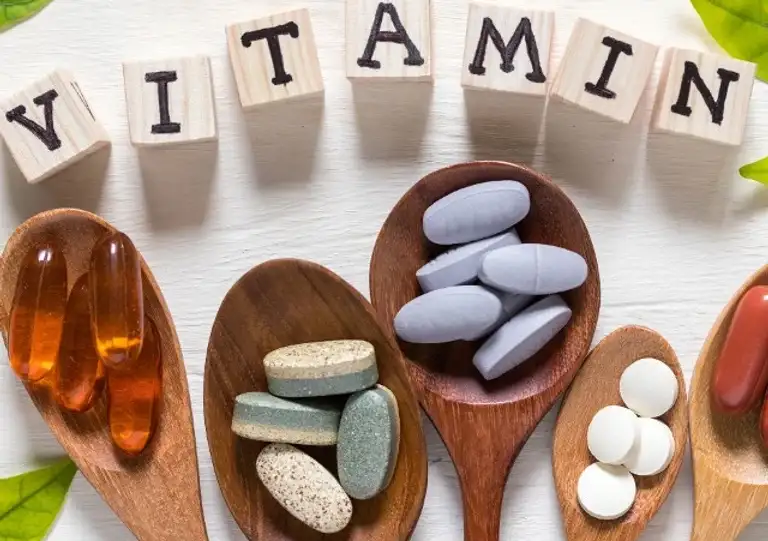
As the seasons change and fall approaches, it's a great time to focus on vitamins that can help support your health. Here are a few vitamins and nutrients to consider:
Vitamin D: With shorter days and less sunlight, vitamin D levels can drop. It's essential for bone health and immune function. Consider getting sunlight when…
As we age, it’s natural to have concerns about memory and cognitive health. Dementia and Alzheimer’s disease are two terms that often come up in these conversations, but they can be confusing. This article aims to clarify what these conditions are, their differences, symptoms, causes, and the importance of early diagnosis and support. What is…
Climate change is one of the most critical global challenges of our time, with far-reaching implications not only for the environment but also for human health and daily life. As global temperatures rise, weather patterns shift, and extreme weather events become more frequent, understanding these changes is essential for public health and individual well-being. This…
Is perfectionism something to strive for or heal from?
1. Understand the Severity of Your Pain
Pain levels can vary from mild to severe, and the type of painkiller you choose should match the intensity. For mild to moderate pain, over-the-counter (OTC) medications like acetaminophen (Tylenol) or ibuprofen (Advil) are often sufficient. These drugs are effective for headaches, muscle aches, or minor injuries and…