Skip to content Skip to sidebar Skip to footer

Erona Osmani

184 articles published
placeholder

What are the early signs of type 2 diabetes?

Type 2 diabetes is a chronic condition that affects how your body processes sugar (glucose) for energy. Unlike type 1 diabetes, which often has a sudden onset, type 2 diabetes typically develops gradually, and the early signs can be subtle. Recognizing these warning signs is crucial for early diagnosis and management, as it can help…

Read more

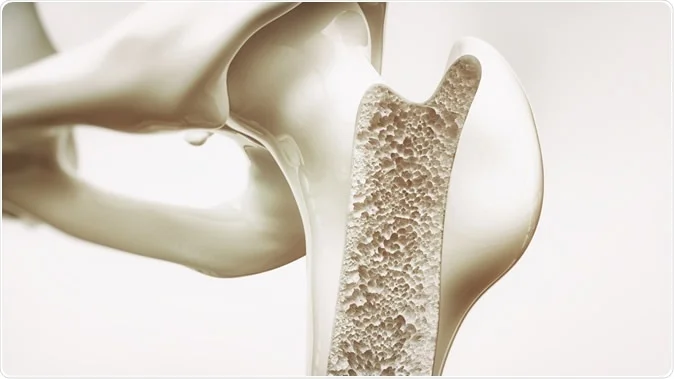
osteo 1

Osteoporosis Diet & Nutrition: Healthy Eating for Stronger Bones

Osteoporosis — sometimes called the "silent bone robber" — is a condition that makes bones weak, brittle, and at higher risk for breaking. Partly it's genetic, and partly it's age, but diet and nutrition are powerful tools in the battle against prevention and treatment. The food you eat can preserve bone density, reverse bone loss,…

Read more

placeholder

How to Prevent Knee Problems and Avoid Surgery

Your knees are two of the most active joints in your body, supporting your weight, absorbing shock, and allowing movement in almost every activity you do. But they're also prone to injury, overuse, and wear and tear brought about by aging. The good news? Most problems with knees can be prevented — and if you already have a mild aching, wise lifestyle and care strategies can protect your knees and prevent future surgery. Why Knee Problems Develop Knee pain may be due to: Overuse injuries…

Read more

placeholder

Female Body Changes After 60: What to Expect and How to Stay Healthy

A woman's 60s can be a time of freedom, wisdom, and new worlds — but they are also years when the body goes through drastic changes. All these changes are a natural outgrowth of postmenopausal hormonal shifts, as well as the effects of aging. Understanding what's happening in your body can assist you in adapting, protecting your health, and getting the most out of these years with confidence. 1. Hormonal Changes After Menopause Estrogen and progesterone are extremely low by the 60s after menopause. This impacts many systems in the body: Bone health: Reduced estrogen accelerates…

Read more

placeholder

The Role of Testosterone in the Immune System

For.men, testosterone is the hormone that determines much more than muscle mass or libido. It controls metabolism, energy, mood, and — most important — immune system function. When testosterone levels are in equilibrium, the body's systems work in balance. But when it drops too low,.the effect can ripple through nearly every organ, including the.immune system. Let's dismantle how testosterone is manufactured, how it fuels your body's metabolism, and how that directly corresponds to your immune…

Read more

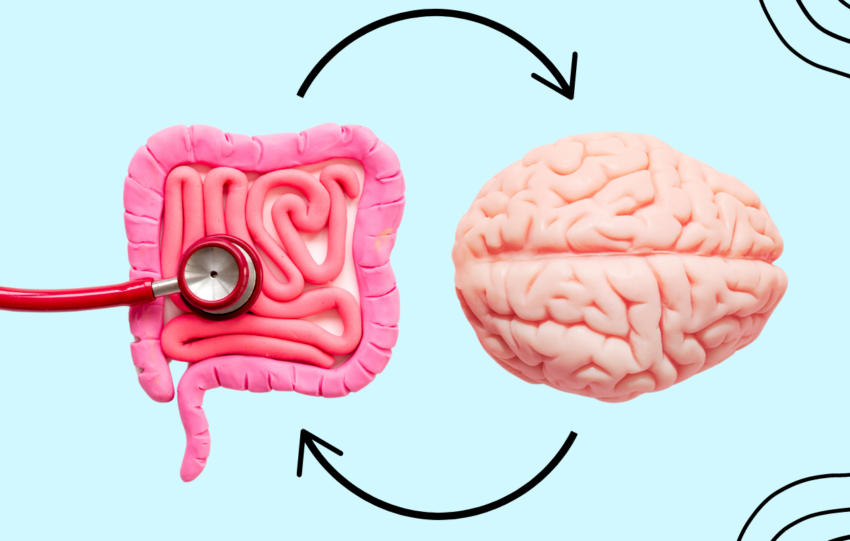
DOM Brain and Gut 10

The Gut–Brain Connection: How What You Eat Shapes Your Mental Health

We often think of the brain as the body's control center, but did you know your gut is directly involved in the way you feel, think, and even act? This powerful link between your gut and brain is known as the gut–brain axis, and science is uncovering that what you eat can influence your mood, mental clarity, and emotional well-being. What Is the Gut–Brain Axis? The gut–brain axis is a two-way communication network between your central nervous…

Read more

skincare smarter nor harsher

Skincare Smarter, Not Harsher

When it comes to achieving radiant, healthy-looking skin, it's easy to believe that more is more: more products, more aggressive formulas, and more exfoliation. But the truth is, over-skincare can damage your skin barrier, stress your skin, and even accelerate aging. The key to sustained results is working with your skin, not against it — choosing intelligent, science-backed regimens that nourish and protect, rather than stripping and stressing. The Skin Barrier: Your Priority One Your skin barrier (stratum corneum) is a thin lipids-and-cells layer that: Retains moisture Blocks irritating microbes and irritants Maintains pH balance…

Read more

sleep disturbance women 750X450 header

Why 7 Hours of Sleep May Not Be Enough for Our Body to Recharge

We've all been instructed in the "golden rule" of sleep: aim for 7–8 hours at night. But what if you're getting your 7 hours and waking up feeling as though you were broadsided by a somnolent freight train? You’re not imagining it—sometimes 7 hours just isn’t enough for your body to fully recharge. Let’s explore why, with a mix of science and a touch of humor (because yawning through research is no fun).…

Read more

postpartum body changes 1300x@2x

Postpartum During the Heat: Intelligent Self-Care Strategies for New Moms in August

The postpartum period is already a time of intense physical recovery, emotional readjustment, and sleep loss. Add Augusteat and humidity to that, and new mothers have even more to deal with — from dehydration and fatigue to increased vulnerability to heat-related illness. The good news? With the right self-care strategies, you can stay comfortable, heal well, and protect your health — even on summer's hottest days. Why Heat Is Harder on Postpartum Moms…

Read more